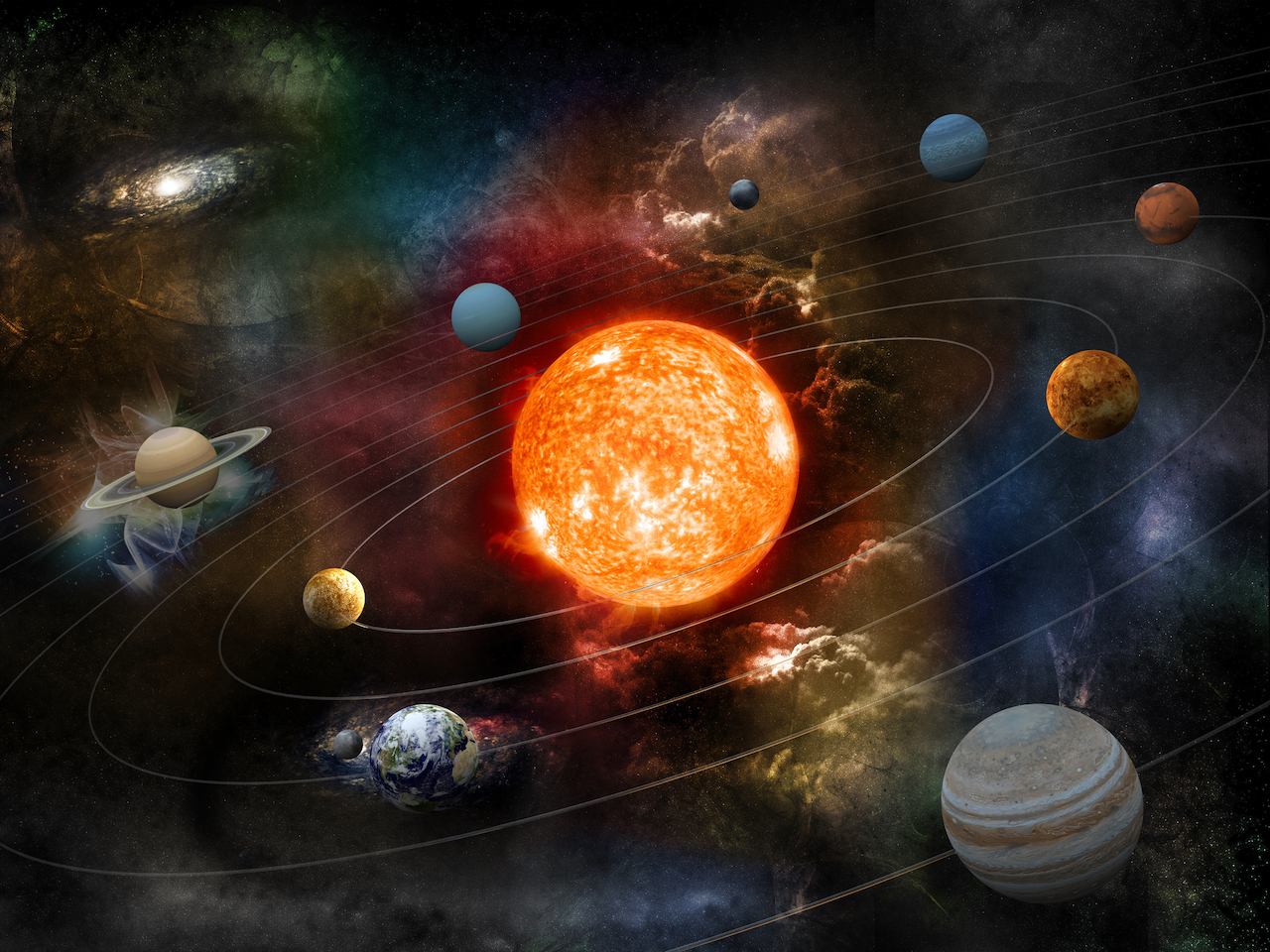
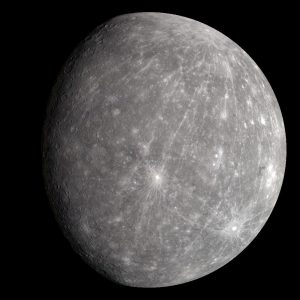
Mercury is the closest planet to the Sun in our solar system and one of the most fascinating to learn about.
About Mercury
- Position: 1st planet from the Sun
 Temperature: Extremely hot in the day (~430°C) and very cold at night (~-180°C)
 Orbit Time: Takes 88 Earth days to go around the Sun
 No Moons: Mercury has no natural satellites
 Surface: Rocky, full of craters like Earth’s Moon FUN FACTS
Fun Facts:
- It is the smallest planet in the solar system
- A day on Mercury (sunrise to sunrise) is 176 Earth days long

- Because it’s so close to the Sun, it’s hard to observe from Earth
Mercury may be small, but it moves very fast around the Sun—making it a unique and extreme planet!
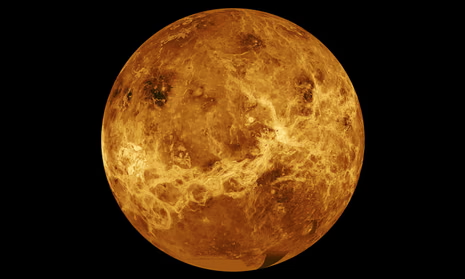
Venus is the second planet from the Sun and is often called Earth’s twin because of its similar size and structure.
Key Features:
- Position: 2nd planet from the Sun
 Hottest Planet: Around 465°C, even hotter than Mercury!
 Thick Atmosphere: Covered with dense clouds of carbon dioxide
- No Moons: Venus has no natural satellites
 Slow Rotation: Takes 243 Earth days to rotate once
Interesting Facts:
- Venus spins backwards (retrograde rotation), unlike most planets
- A day on Venus is longer than its year
- It is the brightest planet visible in the night sky, often called the Morning Star or Evening Star
Venus is beautiful from afar but extremely hot and hostile, making it impossible for humans to live there.
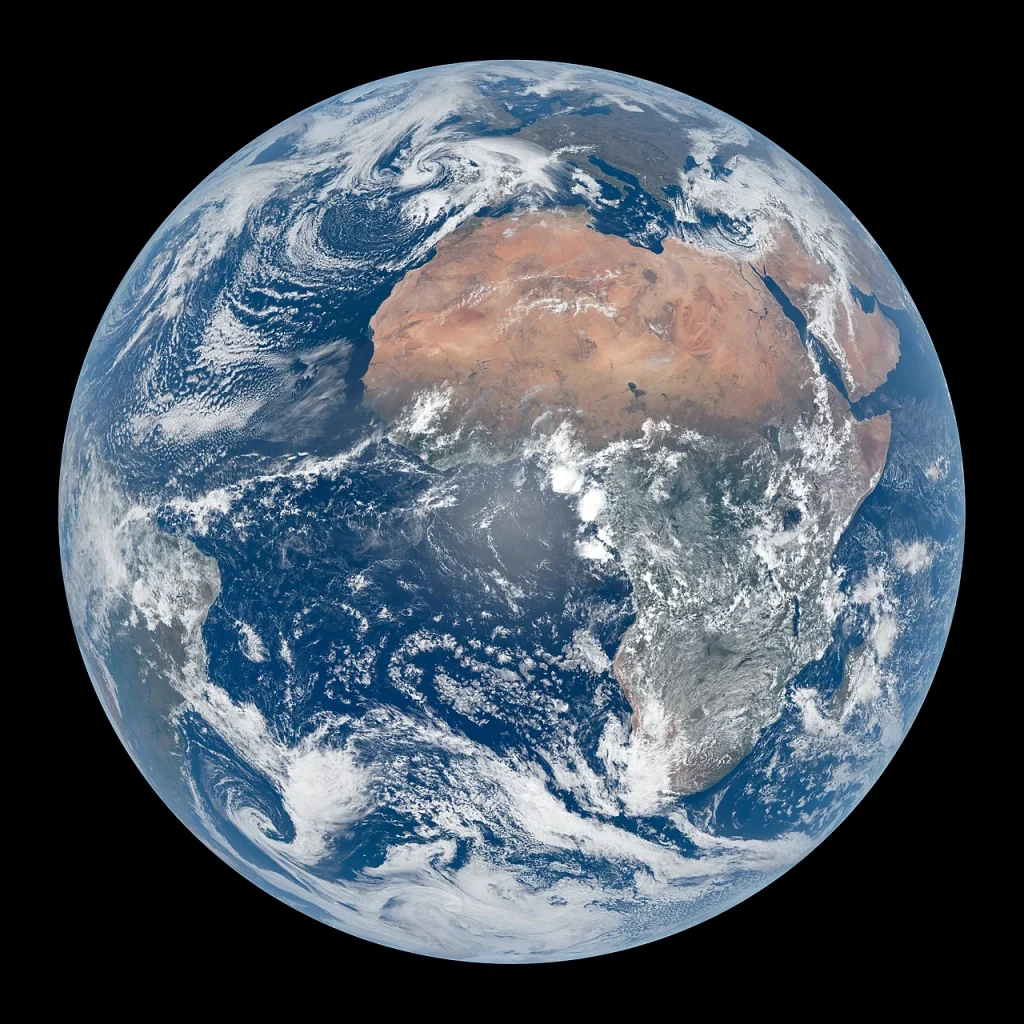
Earth is the third planet from the Sun and the only known planet that supports life 
Key Features:
- Position: 3rd planet from the Sun
 Water Planet: About 71% of Earth is covered with water
 Life Support: Perfect conditions—air, water, and temperature
 One Moon: Earth has one natural satellite, the Moon
- Rotation: Takes 24 hours to complete one day
 Orbit: Takes 365 days to complete one year
Interesting Facts:
- Earth has a protective atmosphere that shields us from harmful radiation
- It is the only planet not named after a god
- The planet’s surface is divided into continents and oceans
Earth is our home in the universe, full of life, beauty, and myster
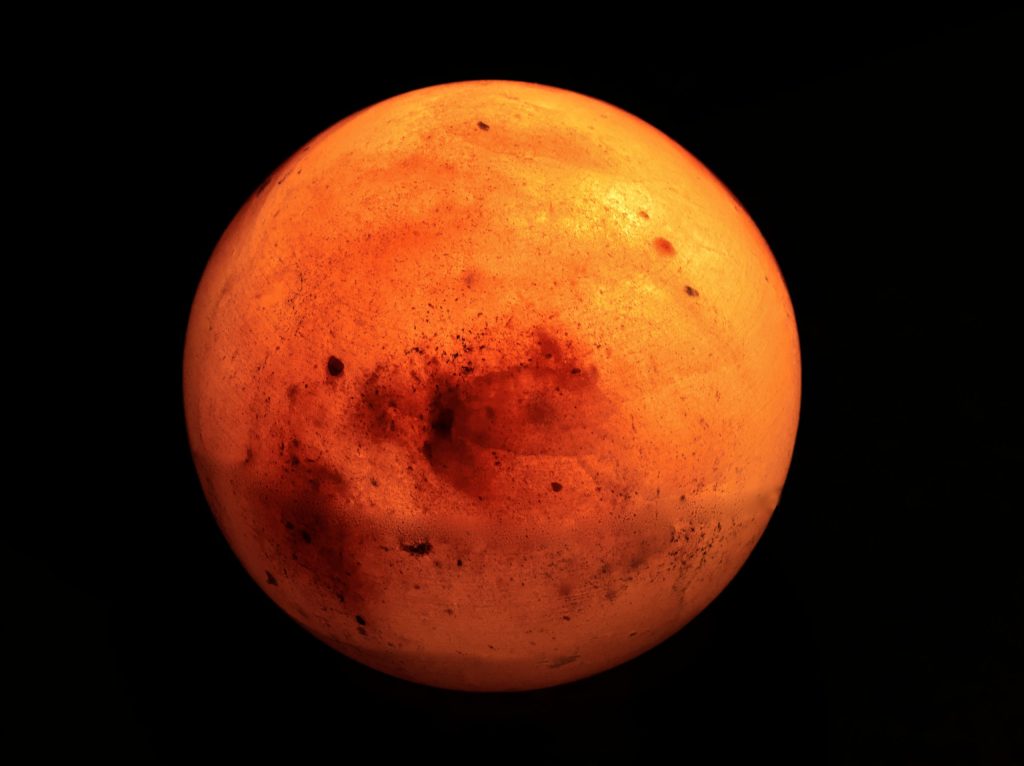
Mars is the fourth planet from the Sun and is famously known as the Red Planet 
Key Features:
- Position: 4th planet from the Sun
- Color: Reddish due to iron oxide (rust) on its surface
- Temperature: Cold, average around -60°C
- Moons: Has 2 moons – Phobos and Deimos
- Day Length: About 24.6 hours (similar to Earth)
 Year Length: 687 Earth days
Interesting Facts:
- Mars has the largest volcano in the solar system – Olympus Mons
- It also has a huge canyon system called Valles Marineris
- Scientists believe water once existed on Mars
- It is the most explored planet after Earth, with many missions sent to study it
Mars is one of the most exciting planets because scientists are exploring if life could have existed there in the past 
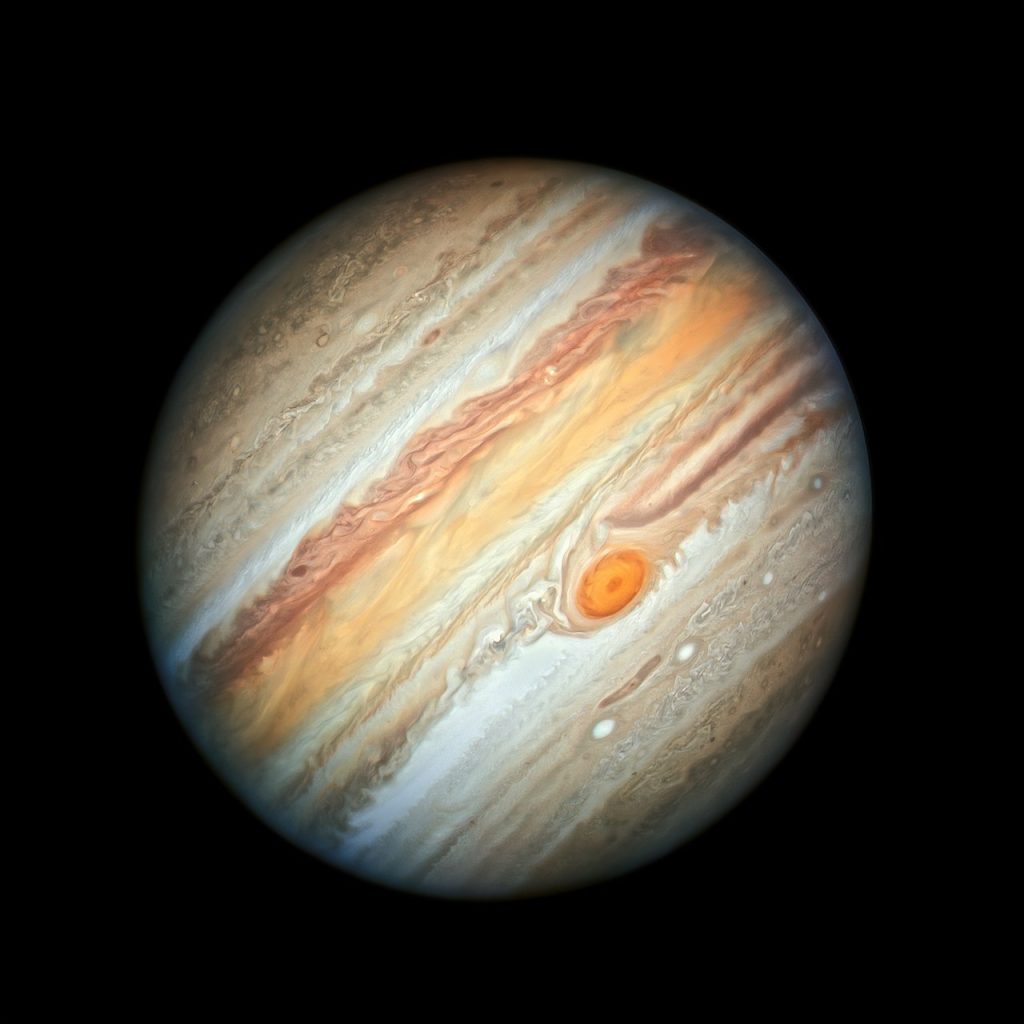
Jupiter is the fifth planet from the Sun and the largest planet in our solar system 
Key Features:
- Position: 5th planet from the Sun
-
Size: So big that all other planets could fit inside it
-
 Gas Giant: Made mostly of gas (no solid surface)
-
 Great Red Spot: A giant storm bigger than Earth
-
Moons: Has 90+ moons, including Ganymede (largest moon)
-
Day Length: About 10 hours (very fast rotation)
-
Year Length: About 12 Earth years
Interesting Facts:
- Jupiter has a very strong magnetic field
- It acts like a space protector, pulling in asteroids with its gravity
- Its moon Ganymede is the largest moon in the solar system
Jupiter is a massive and powerful planet, often called the king of planets
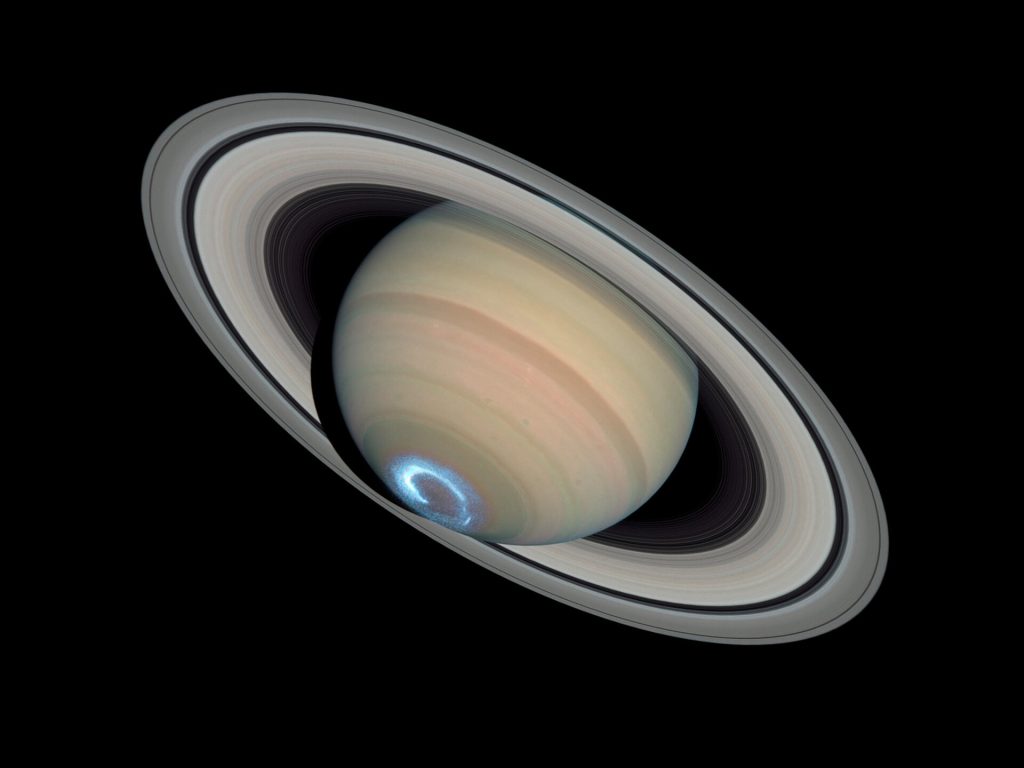
Saturn is the sixth planet from the Sun and is best known for its beautiful ring system 
Key Features:
- Position: 6th planet from the Sun
-
 Rings: Made of ice, rock, and dust particles
-
Gas Giant: Mostly made of hydrogen and helium
-
Moons: Has 140+ moons, including Titan (largest moon)
-
Day Length: About 10.7 hours
-
Year Length: About 29 Earth years
Interesting Facts:
-
Saturn is the least dense planet—it could float in water
- Its rings are the most visible and complex in the solar system
- The moon Titan has a thick atmosphere and lakes of liquid methane
Saturn is one of the most stunning planets, making it a favorite for astronomers and space lovers
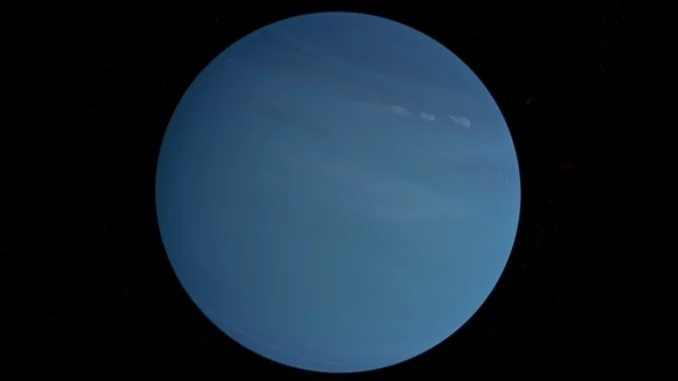
Uranus is the seventh planet from the Sun and is known for its unique sideways rotation
Key Features:
- Position: 7th planet from the Sun
-
 Ice Giant: Made of icy materials like water, ammonia, and methane
-
 Color: Blue-green due to methane in its atmosphere
-
Moons: Has 25+ moons
-
Day Length: About 17 hours
-
Year Length: About 84 Earth years
Interesting Facts:
-
Uranus rotates on its side (tilted about 98°), unlike other planets
- It has faint rings, though not as visible as Saturn’s
- It is one of the coldest planets in the solar system
Uranus is a strange and fascinating planet, often called the “sideways planet”
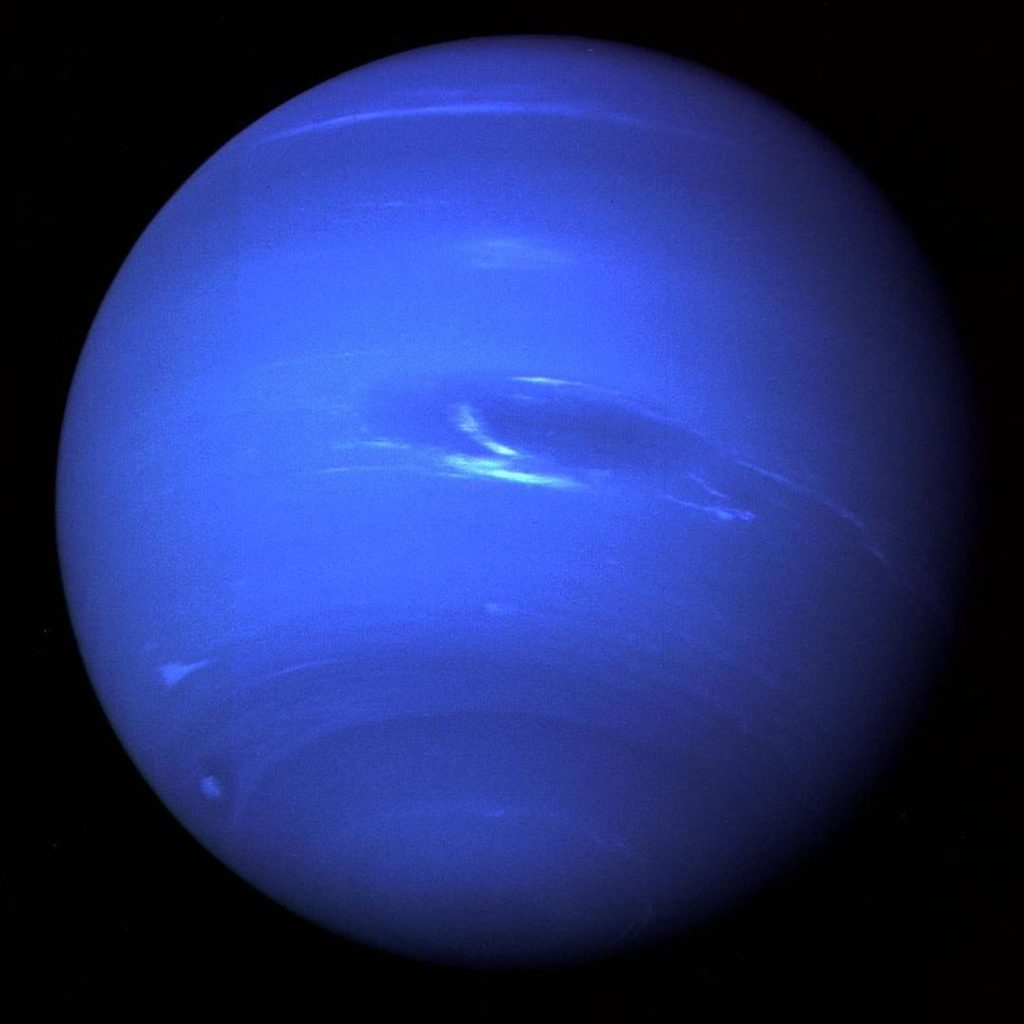
Neptune is the eighth and farthest planet from the Sun and is known for its deep blue color and powerful winds 
Key Features:
- Position: 8th planet from the Sun
-
Ice Giant: Made of water, ammonia, and methane
-
 Fastest Winds: Winds can reach up to 2,000 km/h
-
Moons: Has 14 known moons, including Triton
-
Day Length: About 16 hours
-
Year Length: About 165 Earth years
Interesting Facts:
- Neptune appears deep blue due to methane in its atmosphere
- It has a giant storm system called the Great Dark Spot
- Its moon Triton orbits in the opposite direction (retrograde orbit)
Neptune is a cold, distant, and mysterious planet, marking the edge of our solar system