The Moon has always been Earth’s closest companion. It lights up our night sky, controls ocean tides, and has inspired stories, poetry, and science for thousands of years. But have you ever wondered—what if Earth had two moons instead of one? How would life change? Would it be beautiful or dangerous?
Let’s explore this fascinating idea step by step, in simple language.
🌙 How Could Earth Have Two Moons?
For Earth to have two moons, one of these things might happen:
- Earth could capture another moon from space.
- A large object could break apart and form a second moon.
- A small natural satellite could start orbiting Earth along with our current Moon.
Scientists believe it is possible for a planet to have more than one moon—many planets like Mars, Jupiter, and Saturn already do. So, having two moons is not impossible.
🌌 How Would the Night Sky Look?
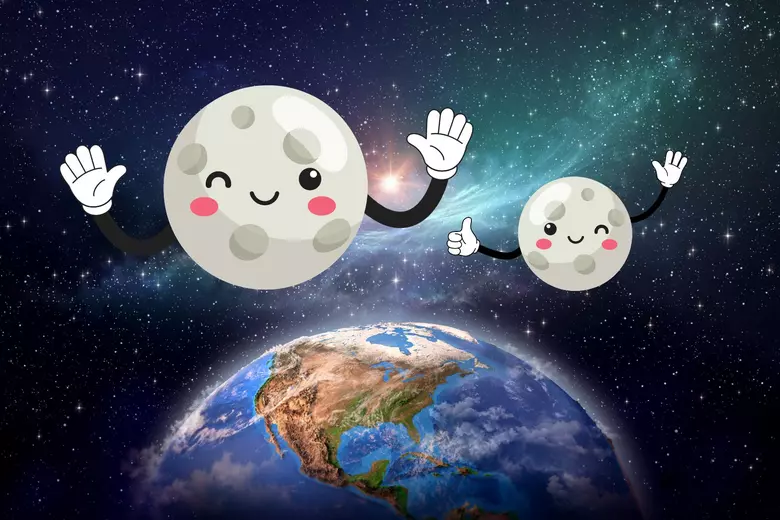
The most noticeable change would be the night sky.
- Two moons would make nights much brighter.
- Sometimes both moons would appear together, creating a magical view.
- At other times, one moon might rise while the other sets.
- Eclipses would happen more often and look more dramatic.
Artists, photographers, and skywatchers would absolutely love it!
🌊 What Would Happen to Ocean Tides
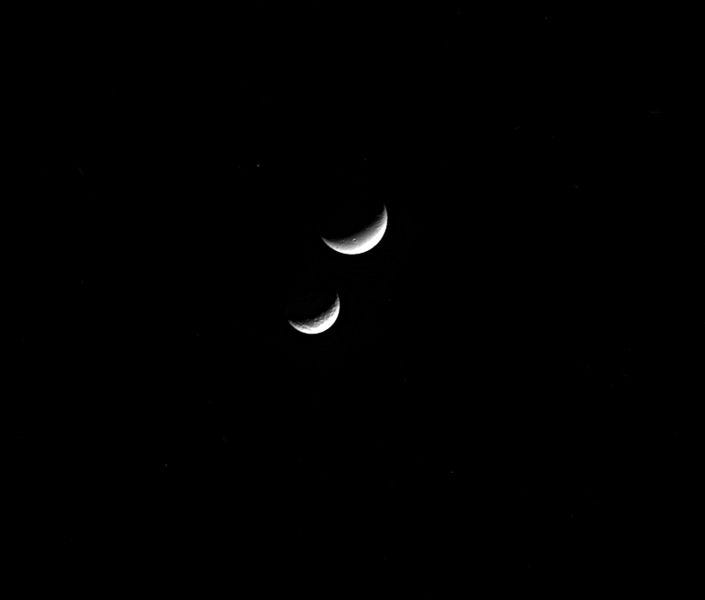
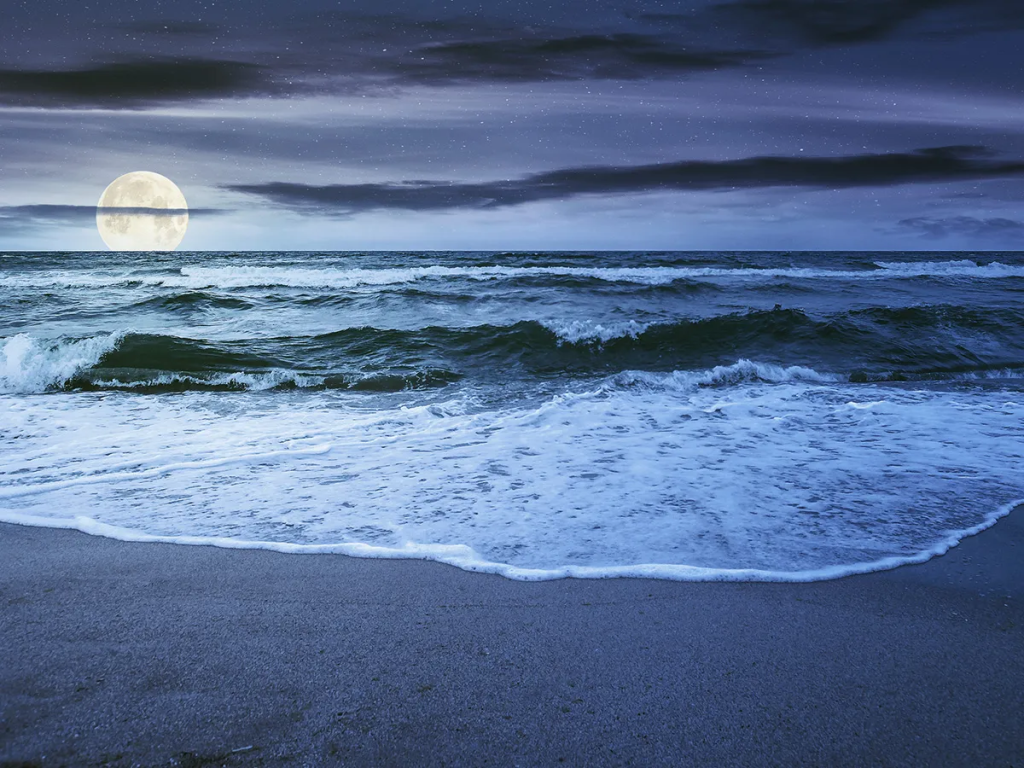
Our current Moon controls Earth’s tides. With two moons, tides would become stronger and more complex.
- High tides could become higher.
- Low tides could become lower.
- Coastal areas might face more flooding.
- Marine life would need to adapt to changing water levels.
If both moons pulled the oceans at the same time, tides could become extreme. If they pulled in different directions, tides could become unpredictable.
🌍 Would Earth’s Climate Change?
Yes, Earth’s climate could change over time.
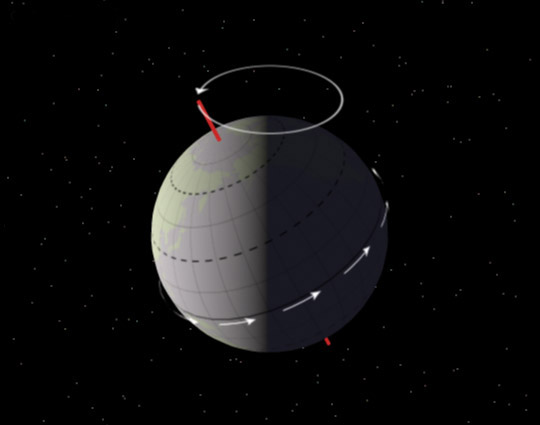
The Moon helps keep Earth’s tilt stable, which controls seasons. A second moon could:
- Make Earth’s tilt less stable
- Cause stronger or unpredictable seasons
- Change weather patterns
Some regions might experience harsher winters, while others could have hotter summers. Farming and natural ecosystems would need to adjust.
🧭 How Would Life on Earth Be Affected?
Life would slowly adapt, but there would be changes.
Animals:
- Many animals use the Moon for navigation.
- Sea turtles, birds, and insects might get confused at first.
- Over time, they would adjust to the new moon cycles.
Humans:
- Calendars would change.
- Festivals based on moon phases would be different.
- Night activities would increase due to brighter nights.
Human sleep patterns might also change because brighter nights can affect our body clocks.
🪐 Would Two Moons Be Dangerous?
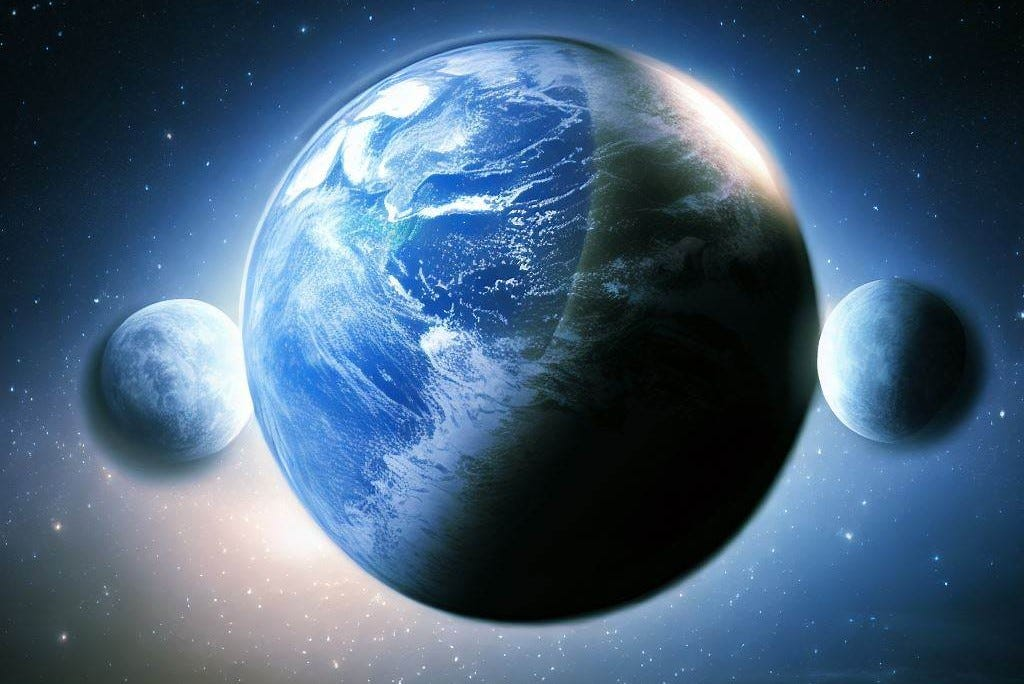
Having two moons could bring some risks.
- Gravitational pulls might cause more earthquakes or volcanic activity.
- Orbits could change over time, increasing chances of collision.
- One moon might slowly drift away or crash into Earth after millions of years.
However, if both moons had stable orbits, Earth could remain safe for a very long time.
🚀 Would Space Exploration Change?
Absolutely!
- Space missions would need careful planning to avoid both moons.
- Satellites would need stronger control systems.
- Astronauts could explore two moons instead of one.
This could open exciting opportunities for space research and even tourism.
🌠 Would It Be Beautiful or Chaotic?
Probably both.
Two moons would make Earth more beautiful, mysterious, and unique. But they could also bring challenges like stronger tides, climate changes, and geological risks.
Nature is powerful and adaptable, and over time, life would find a way to survive and evolve.
🌌 Final Thoughts
If Earth had two moons, our planet would look stunning—but life would not remain the same. The oceans, climate, animals, and even human culture would slowly change. While it might feel like a scene from science fiction, this idea helps scientists understand how delicate and balanced our planet really is.
Sometimes, having just one Moon is exactly what Earth needs.